The Ford Explorer is one of Ford's more popular platforms, and its reliability means that owners can sometimes find themselves outgrowing their need for one long before the Explorer itself is ready to kick the bucket. In this used Ford Explorer buying guide, we'll help you navigate the used Explorer market, exploring reliability, Ford SUV ownership costs, and more as we help you build a used three-row SUV checklist.
Key Takeaways:
- The Explorer offers strong family practicality with available three-row seating and multiple powertrain choices across recent generations.
- Buyers should inspect transmission behavior, suspension wear, and cooling system maintenance on higher-mileage examples.
- Interior technology and safety features improved significantly on 2020-and-newer redesigned Explorer models.
Why are Ford Explorers so cheap?
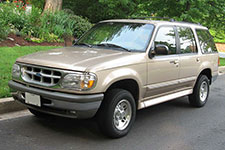
Used Ford Explorer models are often surprisingly affordable because they depreciate much faster than many competing SUVs. A new Explorer can lose more than half its value within five years, which creates attractive used prices for buyers but also signals that the market is cautious about long-term ownership costs. That steep depreciation makes Explorers look like incredible bargains on dealership lots, especially when compared to similarly sized SUVs from Toyota or Honda that seem to cling to resale value like treasure chests chained to the ocean floor.
A major reason for the lower prices is reliability and reputation. Certain Explorer generations, especially many 2011-2019 models and some early 2020s versions, developed reputations for transmission problems, electrical glitches, suspension wear, and various expensive repairs. Those issues do not affect every Explorer, but the reputation alone is enough to scare off many used buyers and drag resale values downward. Modern Explorers are also fairly complex vehicles packed with electronics, turbocharged engines, and advanced driver-assistance systems, which can make repairs more expensive once warranties expire.
Another factor is sheer supply. Explorers are heavily used by rental fleets, corporate fleets, and even government agencies, so the used market gets flooded with them once those fleets cycle out inventory. When thousands of similar SUVs hit the market at the same time, prices naturally soften. That means buyers can often find relatively new Explorers with decent equipment for much less than expected, though many of those vehicles may have lived hard rental-car lives involving curbs, hurried airport parking lots, and drivers treating "cold engine" like a myth invented by mechanics.
Overall, a used Explorer can absolutely be a good value if you buy carefully, choose the right years, and verify maintenance history. The cheap pricing is not because the Explorer is universally terrible. It is more that the market knows ownership can become expensive if you land the wrong example.
What is Ford's number one selling SUV?
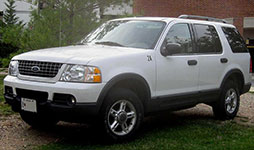
The Ford Explorer has been one of Ford's biggest success stories for decades, consistently ranking as the company's top-selling SUV and one of the most recognizable family vehicles in America. Since debuting in the early 1990s, the Explorer has essentially become the blueprint for the modern three-row SUV, balancing family practicality with truck-inspired capability. In Ford's lineup, it typically sits just behind the legendary Ford F-Series trucks in overall sales volume, which is impressive considering the F-Series sells in numbers that resemble a small nation purchasing pickup trucks simultaneously.
Part of the Explorer's popularity comes from how broad the lineup is. Depending on trim, it can serve as a comfortable suburban family hauler, a sporty performance SUV, or a light off-road adventure vehicle. Most models seat six or seven passengers across three rows, while engine choices range from efficient turbocharged four-cylinders to powerful V6 options. Performance-oriented trims like the Explorer ST add serious horsepower and sharper handling, while adventure-focused trims such as the Timberline lean into rugged styling and trail capability.
The Explorer also benefits from strong brand familiarity. Millions of buyers grew up around them, rented them on vacations, or saw them dominating school pickup lines for decades. That widespread popularity helps explain why the used market is flooded with Explorers and why they remain such common sights on American roads. Even with some reliability concerns in certain generations, the Explorer continues to sell because it hits a sweet spot of size, practicality, towing capability, and mainstream familiarity that many families want.
Used Ford Explorer Buying Guide: Which Model Years, Engines, and Features Make the Best Used Three-Row SUV Buy?
| Feature |
Used Ford Explorer Ownership Insights |
| Most Recommended Explorer Years |
2018, 2021, and newer redesigned models are commonly viewed as the strongest modern Explorer choices |
| Best Family-Friendly Feature |
Standard or available three-row seating with strong cargo flexibility across most trims |
| Best Performance Trim |
The Explorer ST delivers sporty handling and strong twin-turbo V6 power |
| Most Important Inspection Areas |
Transmission behavior, suspension wear, cooling system health, and infotainment functionality |
| Why Explorers Are Affordable Used |
Heavy depreciation, large fleet sales volume, and mixed reliability reputation lower resale values |
| Common Problem Areas |
Transmission issues, electrical glitches, suspension wear, and turbocharged engine repair costs |
Why Should I Buy a Used Ford Explorer?
Overall, used Explorers are affordable and dependable options that just about anyone looking for an SUV would do well to consider adding to their shopping list, as their long-term dependability and awesome versatility make for an SUV that's hard to turn down regardless of age. Curious to see one for yourself? Here at Alan Jay Auto Group, our selection covers a wide variety of Explorer models, so if you're looking to get one yourself, why not stop by and see our selection for yourself?