The Chrysler 300 is a luxury sedan that, when used, combines comfort and affordability to make for an unusual combination in a class that is often associated with heavy price tags and temperamental dispositions on the part of their models. In this used Chrysler 300 buying guide, we'll be exploring Chrysler 300 reliability, as we build you a buying guide tailored to this sedan.
Key Takeaways
- The Chrysler 300 offers spacious interiors and available HEMI V8 performance in higher trim levels.
- Buyers should inspect suspension components, transmission operation, and overall service history carefully.
- V6-powered models generally offer lower ownership costs than HEMI-equipped variants.
Is a Chrysler 300 a good reliable car?
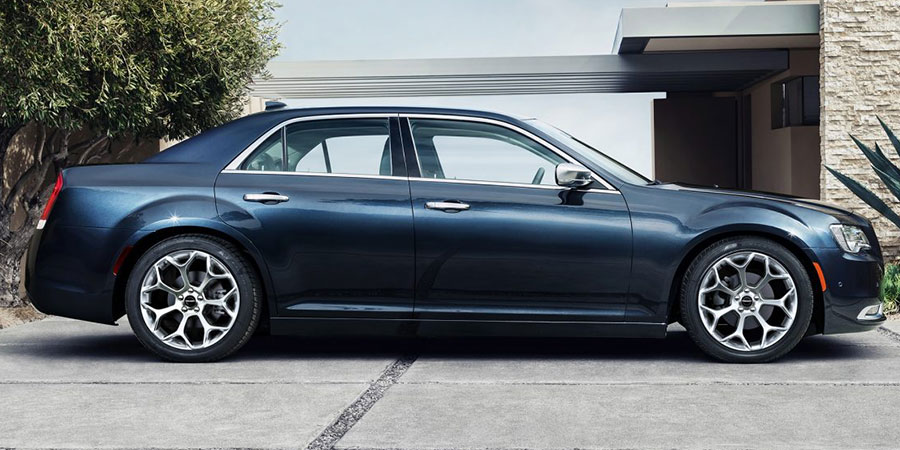
The Chrysler 300 is generally considered a reasonably reliable full-size sedan, particularly in later model years. It earns average-to-above-average reliability ratings and has estimated annual repair costs of around $631, making it relatively affordable to maintain compared with many other large sedans (Repair Pal).
One of the Chrysler 300's biggest strengths is its proven powertrain lineup. The 3.6-liter Pentastar V6 has a strong reputation for durability and is widely used across Stellantis vehicles, while the available 5.7-liter HEMI V8 offers effortless performance and can deliver many years of dependable service when properly maintained. Owners also appreciate the 300's spacious cabin, comfortable highway ride, quiet interior, and classic rear-wheel-drive sedan character.
Like any aging vehicle, the Chrysler 300 does have some common trouble spots. Electrical issues involving the infotainment system, window regulators, and various sensors become more common as mileage increases, while V6 models are known for leaks from the plastic oil filter and cooler housing assembly, a repair that should be addressed promptly to prevent coolant or oil loss.
Although many well-maintained Chrysler 300s surpass 150,000 to 200,000 miles, long-term owner experiences are more varied than those of top Japanese competitors such as the Toyota Avalon or Toyota Camry. Buyers will generally have the best ownership experience with 2013 and newer models, which benefited from numerous refinements that reduced many of the reliability concerns seen in earlier production years.
| Category |
Used Chrysler 300 |
| Best For |
Buyers wanting an affordable full-size sedan with available V8 power, rear-wheel-drive dynamics, and a spacious, comfortable interior |
| Standout Strength |
Comfortable highway ride, roomy cabin, available HEMI V8 performance, and classic American full-size sedan styling |
| Recommended Model Years |
2013-2017 and 2019-2023 for improved reliability, updated technology, and fewer early second-generation issues |
| Years to Approach Carefully |
2005-2006 due to transmission and electrical problems, 2011-2012 because of first-year redesign issues, and 2018 for below-average reliability and higher complaint rates |
| Reliability |
Average to above average, with dependable Pentastar V6 and HEMI V8 engines when properly maintained, though electrical issues become more common with age |
| Common Issues to Inspect |
Oil filter/cooler housing leaks on V6 models, transmission shifting quality, suspension wear, electrical components, infotainment system, window regulators, alternator performance, and service history |
| Safety & Technology |
Available Adaptive Cruise Control, Blind Spot Monitoring, Forward Collision Warning, Rear Cross Path Detection, Uconnect infotainment, Apple CarPlay, Android Auto, and premium audio systems on newer models |
| Ownership Costs |
Moderate overall, with V6 models offering lower fuel and maintenance costs than HEMI V8 variants, while parts remain widely available and reasonably priced |
| Buying Checklist |
Verify maintenance records, inspect for oil or coolant leaks, test all electronics and infotainment features, evaluate transmission operation, inspect suspension and steering components, and complete a pre-purchase inspection |
| Ideal Buyer |
Drivers seeking a comfortable, powerful full-size sedan with distinctive styling, available V8 performance, and lower purchase prices than comparable luxury sedans |
What Years Should I Avoid When Buying a Used Chrysler 300?
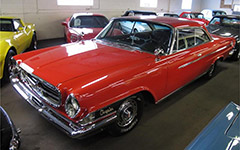
When shopping for a used Chrysler 300, buyers should generally approach the 2005, 2006, 2012, and 2018 model years with extra caution. The 2005 and 2006 models, which introduced the first generation, experienced a higher number of transmission problems, electrical faults involving the instrument cluster, window regulators, and interior accessories, as well as potential issues with early 5.7-liter HEMI V8 engines related to ceramic valve seat failures (Car Buzz). Because these vehicles are now nearly two decades old, deferred maintenance can further increase the likelihood of expensive repairs.
The 2012 Chrysler 300 also deserves careful scrutiny due to its relatively high number of recalls and reports of alternator failures, electrical glitches, and transmission shift concerns during the early years of the second generation. Meanwhile, the 2018 model has received below-average reliability ratings compared with surrounding model years because of recurring complaints involving the powertrain and electronic systems.
Regardless of the model year, buyers should obtain a pre-purchase inspection, review service records, and verify that all recall work has been completed. For the best ownership experience, many enthusiasts and mechanics recommend 2013 through 2017 or 2019 through 2023 Chrysler 300 models, which benefited from production refinements and generally have fewer reported reliability concerns.
Where Can I Buy A Used Chrysler 300?
Here at Alan Jay Auto Group, we do the hard part for you, ensuring each of our used sedans have been maintained and have their paperwork in order, meaning the only thing you'll need to worry about when you stop at one of our lots is which of these luxury sedans speaks to you.