The Ford Ranger is the little brother to the F-150, and while it might not move as many units as its bigger brother, it commands plenty of respect with its affordable price and smaller size making it a sensible alternative for people who don't need a large pickup. Today, we'll be looking at the best used Ford Ranger years, exploring the world of Ford Ranger towing capacity as we navigate midsize pickup ownership and help you find your next used Ranger 4x4.
Key Takeaways
- Used Rangers combine manageable dimensions with useful towing, payload, and available four-wheel-drive capability for work or recreation.
- Model year matters because Ranger generations differ considerably in powertrains, technology, cabin design, and available off-road equipment.
- Buyers should examine service records, drivetrain operation, underbody condition, and evidence of demanding towing or trail use.
Which Ford Ranger engine is the most reliable?

The Ford Ranger has used several durable engines throughout its history, but the older 2.3-liter and 2.5-liter four-cylinders have some of the strongest reputations for longevity. The simple Lima four-cylinder engines found in older Rangers are known for routinely surpassing 200,000 miles with basic maintenance, while the 2.3-liter Duratec used in many 2001-2011 trucks combines strong durability with a timing-chain design and relatively simple construction according to one expert.
The 3.0-liter Vulcan V6 is another exceptionally durable option, although its modest performance and relatively poor fuel economy make it less desirable for some buyers. The larger 4.0-liter V6 provides substantially more power, but certain SOHC versions are known for expensive timing-chain guide and cassette problems.
Among modern Rangers, the 2.3-liter EcoBoost turbocharged four-cylinder is the most established choice. Used since the Ranger returned to the U.S. market for 2019, it combines strong torque and fuel economy with a generally solid reliability record, although regular oil changes are particularly important for protecting the turbocharger and other components.
The newer 2.7-liter EcoBoost V6, introduced to the Ranger lineup for 2024, also benefits from years of use in other Ford trucks and SUVs, but it has a shorter Ranger-specific track record. For buyers prioritizing simplicity and proven high-mileage durability, an older 2.3-liter Duratec Ranger remains difficult to beat, while the 2.3-liter EcoBoost is the more practical choice for a newer used truck.
What model Ford Ranger to stay away from?
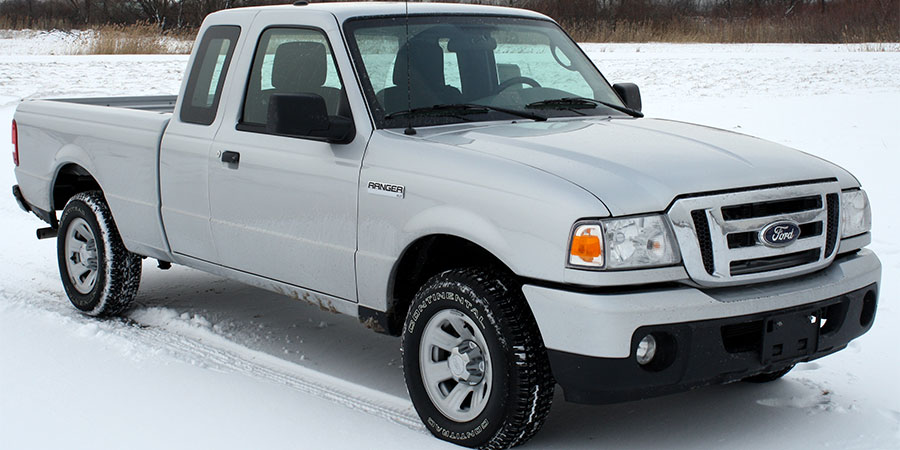
When shopping for a used Ford Ranger, buyers should generally approach the 1999, 2001, 2002, and 2004 model years with extra caution. The 1999 Ranger accumulated complaints involving engine components, electrical systems, and failing instrument clusters, while 2001 and 2002 trucks are associated with automatic transmission failures, rough or delayed shifting, and numerous recall campaigns.
The 2004 Ranger also experienced a relatively high number of recalls and complaints involving powertrain components, engine accessories, and the electronic four-wheel-drive system. Given their age, maintenance history and rust can now be just as important as the original factory reliability of these trucks.
Buyers interested in a newer Ranger should also carefully inspect 2019 and 2020 models. These were the first years of the Ranger's return to the U.S. market and experienced some early-production issues, including recalls involving the 10-speed automatic transmission's shift-cable bracket and owner complaints about rough or inconsistent shifting.
Later modern Rangers benefited from additional production refinements, making them generally more attractive used purchases. Regardless of year, checking recall completion, transmission operation, maintenance records, and the frame for corrosion can help separate a dependable Ranger from one that has spent the last decade quietly preparing an invoice for its next owner.
Used Ford Ranger Buying Guide: Capability, Longevity, and Smart Used-Truck Shopping
| What to Know |
Used Ford Ranger |
| Who It Suits Best |
Drivers wanting midsize-truck utility without the size, fuel consumption, or maneuverability compromises of a full-size pickup |
| Years Worth Seeking Out |
2009-2011 for a refined older-generation Ranger; 2021-2023 for newer trucks that benefit from improvements following the 2019 U.S. return |
| Years Needing Extra Scrutiny |
1999, 2001-2002, and 2004 due to higher complaint histories; 2019-2020 deserve additional attention for early-production and transmission concerns |
| Most Proven Older Engines |
The 2.3L Duratec four-cylinder and 3.0L Vulcan V6 have strong durability reputations, with simplicity helping make high-mileage ownership manageable |
| Best Modern Powertrain |
The 2.3L EcoBoost provides a useful combination of torque, efficiency, towing capability, and an established Ranger reliability record |
| Powertrain Watchouts |
Some 4.0L SOHC V6 engines can develop costly timing-chain issues, while modern EcoBoost engines depend heavily on consistent oil and cooling-system maintenance |
| Transmission Check |
Older automatics should be checked for slipping and delayed shifts; 2019-2020 trucks deserve particular attention for rough or inconsistent 10-speed operation |
| 4x4 & Off-Road Inspection |
Check the transfer case, four-wheel-drive engagement, suspension, skid plates, frame, differentials, tires, and underbody for evidence of hard trail use |
| Towing & Work-Truck Wear |
Inspect brakes, transmission behavior, hitch equipment, rear suspension, cooling system, and differential for signs the truck regularly handled heavy loads |
| Rust & Body Condition |
Frame and underbody corrosion become especially important on older Rangers, particularly trucks previously driven in regions where road salt is common |
| Technology Differences |
Older Rangers are exceptionally simple, while newer models offer modern infotainment, driver-assistance technology, improved cabins, and considerably more available equipment |
| Ownership Cost Outlook |
Older four-cylinder Rangers can be remarkably inexpensive to maintain; newer EcoBoost and 4x4 models bring additional complexity and potentially higher repair costs |
| Before You Buy |
Check recall completion, obtain service records, test the transmission and 4WD system, inspect underneath the truck, and arrange a pre-purchase inspection |
| Bottom Line |
A carefully maintained Ranger can provide excellent long-term value, but choosing the right generation and avoiding abused work or trail trucks matters considerably |
Is a Used Ford Ranger Worth Purchasing?
The Ford Ranger's a strong choice, with its lower price from being a used model makes it an extremely enticing prospect for anyone who needs a mid-size pickup that can punch well above its weight with its bona-fide reliability and affordability. If you're curious to see what the Ranger could look like for you, make sure to stop by any Alan Jay Auto Group location to get an up close and personal look at one of the best choices for sensible pickup buyers!